Hip to Gable Loft Conversions in Lower Earley
Hip to Gable Loft Conversions in Lower Earley are designed and built by one team, from the first survey to the completion certificate. Guide price in Lower Earley: £59,500 to £89,000 including VAT.
- Free home survey
- Fixed written quote
- Drawings and engineer included
- Building control handled
- UK-wide teams
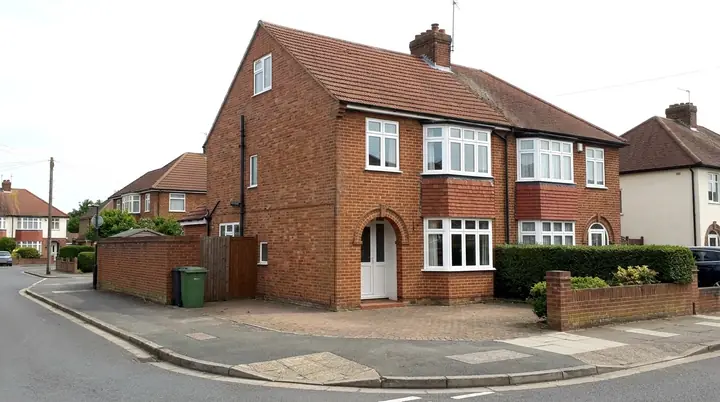
Hip to Gable Loft Conversions for homes in Lower Earley
We cover Lower Earley and the surrounding parts of Berkshire, about 3 miles from Reading. Surveys are by appointment, including early evenings.
Inter-war semis and post-war detached houses are common, and most convert with a hip to gable and rear dormer.
What does a hip to gable loft conversion cost in Lower Earley?
Our guide price in the South East for a hip to gable loft conversion is £59,500 to £89,000 including VAT. The main variables are floor area, the roof covering, steelwork and whether a bathroom is included.
| Guide price in Lower Earley | £59,500 to £89,000 inc. VAT |
|---|---|
| Typical duration | 8 to 12 weeks on site |
| Survey and quote | Free |
Key facts
- Where the neighbour's half of a semi keeps its hip, the roofline changes, which some councils restrict in conservation areas.
- The new gable is built in brickwork, blockwork and render, or timber frame with tile hanging, to match the house.
- Matching the original roof tiles matters, so we source reclaimed or like-for-like tiles for the extended ridge.
- A gable window lights the stair and landing; if it faces the side it is normally obscure-glazed.
Why use us in Lower Earley?
- Matching tiles, slate and brick sourced for a roofline that fits the street.
- Scaffold access through the roof, so the house stays usable.
- Stage payments tied to completed work, not dates.
- One contract for design, approvals and building, with a named project manager.
Planning and building control in Lower Earley
A hip to gable conversion is normally permitted development on a house in England, provided the total added volume stays within the limit and the house is not on designated land.
Where beams bear on a shared wall, the Party Wall etc. Act 1996 requires written notice to the adjoining owner at least two months before work starts.
Building regulations approval is always needed. Building control checks the structure, fire safety, stairs, insulation, ventilation and electrics and issues a completion certificate at the end.
How the work runs
Approvals
We submit planning or lawful development applications where needed and deal with building control.
Scaffold and structure
Scaffolding goes up, steel and new floor joists go in, and the roof is opened and made weathertight.
Stairs and first fix
The staircase is fitted, then wiring, plumbing and insulation go in and are inspected.
Finish and certificate
Plastering, second fix, decorating and the final inspection, after which you receive the completion certificate.
Hip to Gable Loft Conversions in Lower Earley: your questions
Do I need planning permission in Lower Earley?
A hip to gable conversion is normally permitted development on a house in England, provided the total added volume stays within the limit and the house is not on designated land. We confirm the position with the local planning authority before work starts.
How soon can you start in Lower Earley?
Design and approvals usually take six to ten weeks. Building work in Berkshire is then scheduled for the next available start date, which we confirm in writing.
Who deals with building control in Lower Earley?
We do. We make the application, book each inspection with building control and hand you the completion certificate at the end.
Do I need planning permission?
Usually not on a house in England, because hip to gable enlargements fall within permitted development when the volume limit and other conditions are met. We check this at survey and can apply for a lawful development certificate so you have it in writing.
Will it look odd next to my neighbour's hipped roof?
The roofline does become asymmetrical on a pair of semis. Using matching tiles and brick keeps it tidy, and it is now a very common sight on 1930s streets.